Showing posts with label geology. Show all posts

11.04.2015

Science Lesson #4: Geology - Where to See Liesegang Bands

     USA Today lists Illinois Garden of the Gods as the most natural wonder in the state according to it's article "The most beautiful natural wonder in every state, from Lake Tahoe to Niagara Falls."  It's taken over 320 million years to sculpt the beauty of the Garden of the Gods State Park in Hebron, IL (not to be confused with Garden of the Gods in Colorado).  Take a day to visit Shawnee National Forest.  Enjoy the panoramic views and appreciate the geology. 


     According to the University of Illinois Institute of Natural Resource Sustainability Illinois State Geological Survey, Garden of the Gods park in IL is one of the most geographically complex areas of Illinois.  Bring water and snacks for the car ride and use the restrooms ahead.  You'll only find pit toilets at the park, even in the campground.
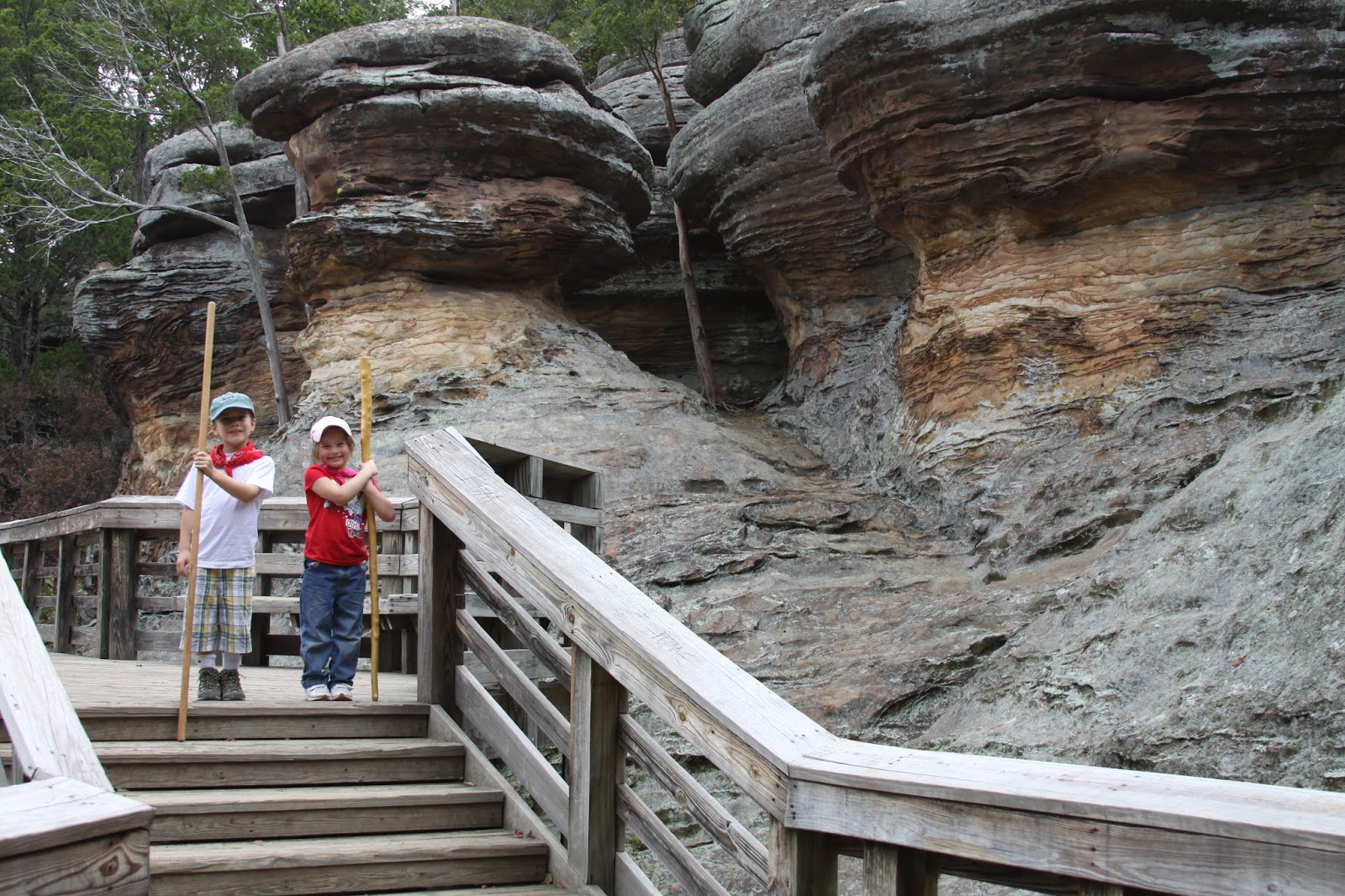
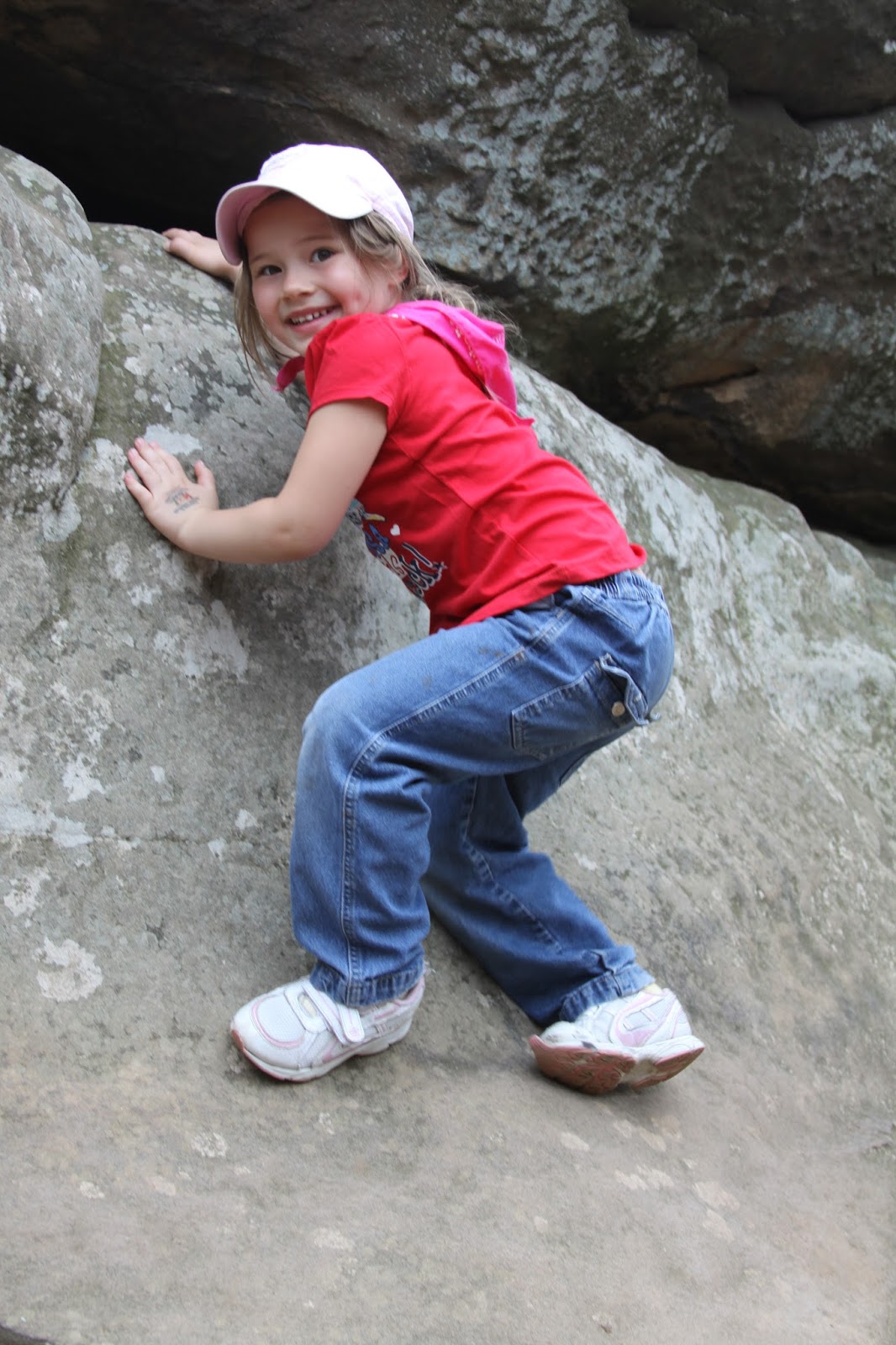
For edutainment, hike the easy 0.25 mile Observation Trail.  When described as easy, this does not mean safe - there's no rails and rocks can be slippery.  Described as an interpretive trail, the trail includes history and geology informational signs.


The "Bizzare Bands" sign helped explain the geology:  "Bizarre Bands.  The dark, reddish-brown swirls and rings on these rocks are called liesegang bands (pronounced L EE' ZEH GANG) named after German chemist Raphael Liesegang.  Long ago when this sandstone was underground, it was saturated with groundwater mixed with iron.  Chemical changes caused the iron to solidify as rust between the rock particles.  Held together by iron, the raised dark bands have resisted weathering as compared to the softer, light-colored rock.  the pattern of bands are the result of these chemical changes.


9.12.2015

Science Lesson #3: Geology - Salt Mine -Strattaca in Kansas

 Few salt mines allow the public to tour.  There's the Bavaria Mountains and Salt Mines tour in Salzburg, but when I visited Salzburg, I opted for the Mozart tour and The Sound of Music Tour.  Poland has the Wieliczka Salt Mine Tour and Pakistan's Khewra Salt Mines attracts approximately 250,000 visitors per year.  I'm not sure when I'll take my kids to Poland or Pakistan. 

After researching US tours, I found one place - Strattaca, located in Hutchinson, Kansas.  Thanks to the Reno County Historical Society and two companies, the Hutchinson Salt Company and Underground Vaults and Storage company, the Kansas Underground Salt Museum opened to the public in 2007.  It's the only working museum that exists in a working salt mine anywhere in the Western Hemisphere.  Voters named it one of the "Eight Wonders of Kansas" (2008).

Formed 275 million years ago when the Permian Sea dried up, it's one of the largest salt mines in the world and still mined today.  When you descend 650 feet below the prairie surface on an industrial elevator (and our group chose to keep the lights off - cool!!!), you walk out and see the vast space.  It's 300,000 square feet of mined out area.  Ceilings are 10 to 17 feet high.

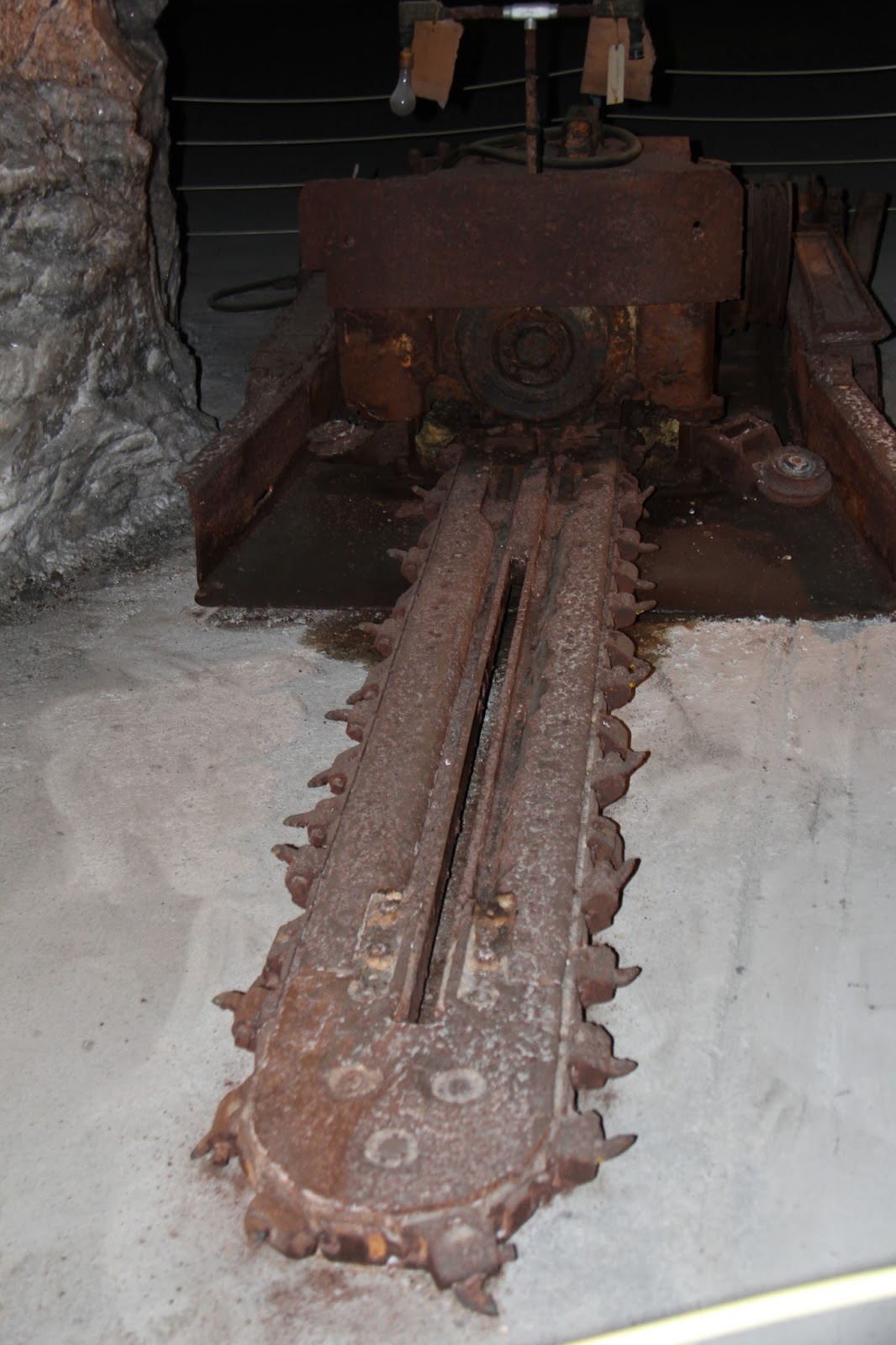
 Kids read every sign in their geology exhibit, listened to short history videos, and checked out the equipment.  As Chicago residents (and people who need to get to work, no matter what the weather), we need to really appreciate this place - it's a source of the salt used to melt the ice and snow on our roads.  The museum fund raises to expand the exhibit. 


We bought the Blast Pass ($19 adult, children $12.50).  Besides admission, you get two tours:  1.  Dark Ride (30 minute tram tour explaining air flow and mine hazards), and 2.  Train Ride (15 min. Salt Mine Express shows the active areas of 1940s and 50s including the garbage that never disintegrated).  Kids tend to love hands on activities, so when the tour gave them a small bag and told them they had a few minutes to pick a piece of salt from a pile, they were excited to find their own souvenir.


The salt mine also serves as a secure storage facility, holding original Hollywood movies and many other documents.  An exhibit explains.

For a real treat, the museum offers special Scout and 4-H overnights.  Boy Scouts may earn their Geology and/or Mining in Society merit badge.